Understanding the Psychology of Bluffing
Bluffing in high-stakes poker is not merely about the cards you hold; it’s fundamentally a psychological game where understanding your opponents’ mindsets is crucial. Players must learn to read body language, facial expressions, and betting patterns, as these cues can reveal much about the strength of an opponent’s hand. For instance, a player who fidgets or avoids eye contact might be bluffing or genuinely nervous, and interpreting these signals correctly can provide a significant edge, especially when considering the best betting sites australia available for online play.
The psychology behind bluffing also involves the concept of risk perception. High-stakes players often gauge how much risk their opponents are willing to take based on their past behavior at the table. By observing how players respond to previous bluffs, one can identify who might be susceptible to being bluffed and who is likely to call even with weak hands. This understanding allows for more strategic bluffing decisions, as one must consider not just their own hand, but the potential reactions of other players.
Moreover, mastering the art of bluffing requires emotional control. High-pressure situations can evoke anxiety or excitement, which may affect judgment. Good players harness their emotions, ensuring they do not reveal their own intentions. They practice remaining calm and collected, allowing them to execute bluffs successfully without involuntarily signaling their hand strength. By adopting a cool demeanor, they can foster doubt in their opponents’ minds, making it easier to pull off elaborate bluffs.
Identifying the Right Moments to Bluff
Timing is essential in poker, and knowing when to bluff can be the difference between winning and losing. Successful players often bluff when the situation favors them; for instance, it’s typically advantageous to bluff when the board shows potential for strong hands, such as straights or flushes, aligning with the story they tell with their betting. When the board is conducive to these possibilities, opponents may be more likely to fold weaker hands if they believe you have a strong one.
Moreover, bluffing should be complemented by a comprehensive understanding of the table dynamics. If a player has been overly aggressive throughout the game, this may offer a prime opportunity to counter with a well-timed bluff. Conversely, if the table has been relatively passive, players may be more inclined to call bluffs, making it less effective. Adjusting one’s strategy according to these dynamics ensures that bluffing is employed judiciously and effectively.
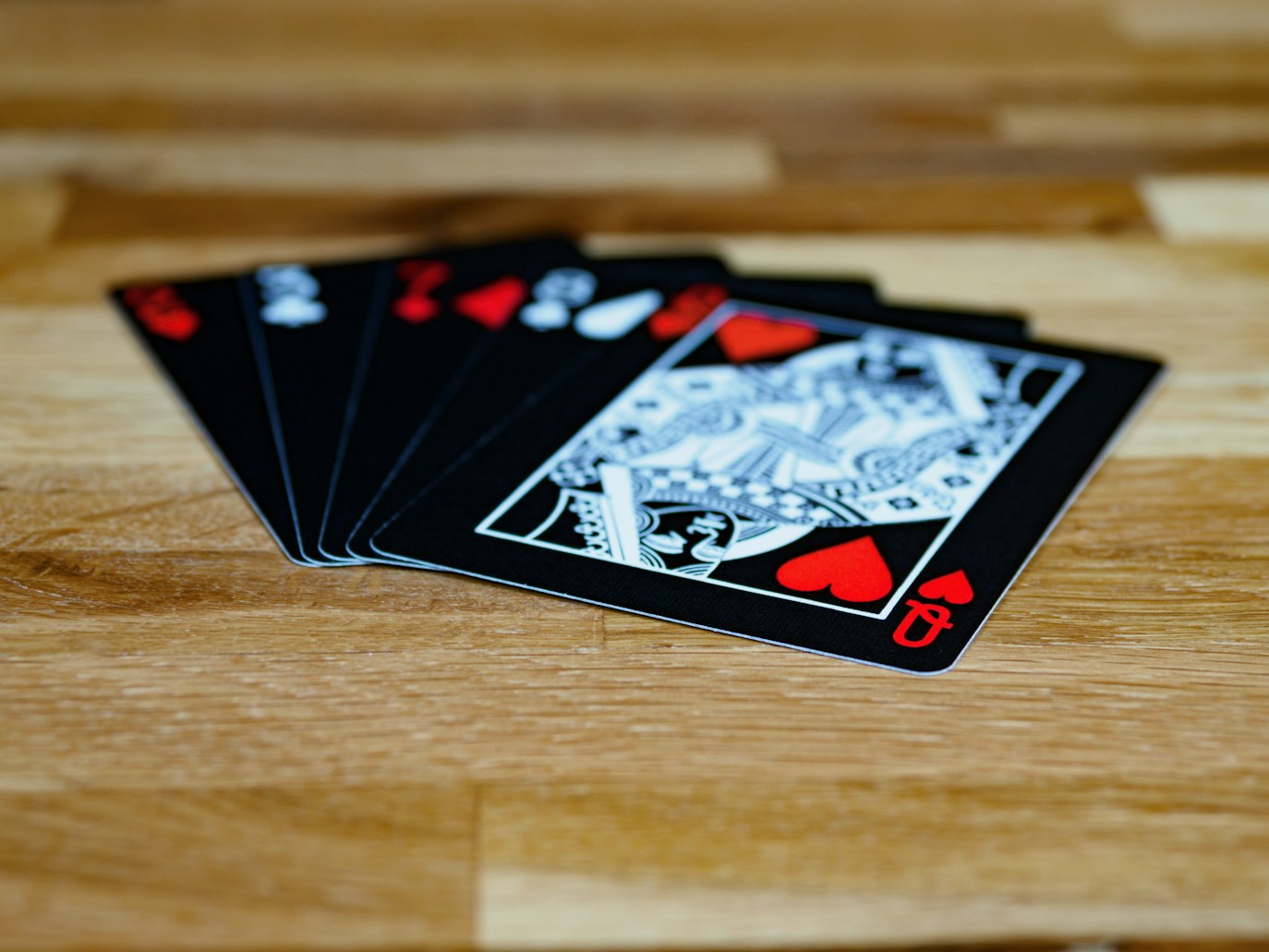
Additionally, the size of the bet can significantly impact the bluffing strategy. A well-placed bet can induce doubt among opponents, causing them to reconsider the strength of their hands. For example, a larger bet might suggest confidence in one’s hand, while a smaller bet could raise suspicions. Understanding how to manipulate bet sizes creates a more compelling narrative during gameplay, enhancing the effectiveness of bluffs.
The Importance of Table Image
Your table image is the perception that other players have of your style and tendencies. It plays a pivotal role in establishing your credibility when bluffing. If you’ve built a tight image, where you only play premium hands, your bluffs are likely to be more successful because opponents may respect your bets considerably. Conversely, if you have been overly aggressive, opponents may call your bluffs more readily, believing you are attempting to push them around without a solid hand.
Establishing a consistent table image takes time and requires balance between playing tight and making calculated bluffs. Players should engage in a variety of plays, allowing them to craft a multifaceted image that can both intimidate and intrigue opponents. A varied approach prevents opponents from easily reading your strategy, thereby enhancing your bluffing potential when you choose to execute it.
Furthermore, maintaining an adaptable table image is crucial. As the game progresses, a player may need to shift their approach based on the evolving dynamics of the table. Being attuned to the perceptions others have of you enables strategic alterations that can either enhance or undermine the effectiveness of your bluffs. Being flexible allows for the use of deception in a way that benefits the overall game plan.
Advanced Bluffing Techniques
As players advance in their poker journey, they often discover that simple bluffs become less effective against seasoned opponents. To elevate one’s bluffing game, employing advanced techniques can yield better results. Semi-bluffing, for instance, involves betting with a draw hand that has the potential to improve in later rounds. This tactic offers flexibility, as players can either win the pot immediately or improve their hand to make a winning hand later.

Another advanced technique is the concept of over-bluffing, which involves deliberately bluffing more frequently to create an unpredictable playing style. By establishing yourself as a player who is willing to make bold moves, you can foster an environment of uncertainty among opponents. However, over-bluffing must be approached with caution; it should be balanced with legitimate strong hands to maintain credibility in the long run.
Additionally, utilizing reverse tells can offer a unique edge. Players can intentionally display signs of strength or weakness that do not reflect their actual hand. For example, acting overly confident or making a weak bet when holding a strong hand can lead opponents to misinterpret your intentions. Mastering the art of reverse tells not only enhances bluffing capabilities but also adds layers of complexity to how you are perceived at the table.
Learning and Improving Your Bluffing Skills
To master bluffing, continuous learning and practice are essential. Engaging in regular poker sessions and analyzing your gameplay can provide insights into your bluffing effectiveness. Reviewing recorded hands or discussing strategies with fellow players allows for self-reflection and growth. Additionally, evaluating the outcomes of both successful and failed bluffs will inform future strategies and decisions.
Studying poker theory and literature can also aid in developing a stronger understanding of the game. Many resources provide valuable insights into bluffing techniques and psychological strategies, equipping players with the tools necessary to refine their approach. By dedicating time to educate oneself, players can elevate both their bluffing and overall poker strategies significantly.
Ultimately, participating in discussions and forums can enrich your knowledge base. Interacting with other poker enthusiasts provides diverse perspectives on bluffing and gameplay strategies. Engaging in these conversations encourages an atmosphere of shared learning where players can exchange experiences, tips, and insights that contribute to enhanced skills in bluffing and poker overall.