The allure of risk and reward
Casino gambling possesses a distinct psychological allure that captivates many individuals, drawing them into its exhilarating environment. The interplay of risk and reward is deeply ingrained in human behavior, igniting excitement and the prospect of financial gain. When players place bets, they engage in a mental balancing act between the fear of loss and the intoxicating potential of winnings, especially when considering options like neosurf deposit casino for their transactions. This thrilling tension creates an exhilarating atmosphere, heightening adrenaline levels and fostering a sense of urgency that can be incredibly hard to resist.
Moreover, the anticipation of winning significantly influences the psychology of gambling. The brain’s reward system is triggered when players imagine the possibility of success, resulting in the release of dopamine, a neurotransmitter closely linked to pleasure. This chemical response not only elevates the overall gambling experience but also increases the likelihood of individuals returning for more gambling sessions. The cyclical nature of hope and excitement reinforces this behavior, compelling players to gamble more frequently as they chase that elusive big win, often leading to a deep-seated habit.
Additionally, the design and ambiance of casinos amplify this psychological attraction. The vibrant lights, captivating sounds, and the overall atmosphere of community create an immersive experience that can distract players from the stark realities of potential losses. Gamblers often find themselves swept away by the energetic environment, resulting in impulsive decisions driven by emotion rather than rational thought. This combination of elements establishes a powerful framework that encourages ongoing engagement in gambling activities, making it essential to understand the mechanisms at play.
The role of cognitive biases
Cognitive biases play a crucial role in shaping how individuals perceive their chances of winning at a casino. One prevalent bias is the gambler’s fallacy, where players mistakenly believe that past outcomes influence future results. For example, if a roulette ball lands on red for several consecutive rounds, players might irrationally assume that black is “due” for a win, prompting them to place their bets accordingly. This flawed reasoning often leads to increased betting, amplifying potential losses and trapping players in a cycle of misguided beliefs.
Another common cognitive distortion is the illusion of control, where gamblers convince themselves they can influence outcomes through specific actions or strategies. A player might believe that their choice of numbers or betting patterns can sway the odds in their favor. Casinos exploit this bias by offering games that appear to involve skill, even when the outcome is predominantly based on chance. This illusion leads players to invest more time and resources in games they perceive as skillful, despite the underlying randomness, which can complicate their gambling experience.
These cognitive distortions contribute to a cycle of overconfidence and continued play, making it difficult for gamblers to accurately assess their actual odds. As players become entrenched in these beliefs, they may overlook warning signs of losses or compulsive behavior, complicating their relationship with gambling. Understanding these biases is crucial for recognizing their impact on decision-making and the potential for developing problematic gambling patterns, ultimately leading to a more informed approach to gambling.
The emotional rollercoaster of gambling
The emotional landscape of gambling can be as unpredictable as the outcomes of the games themselves. Gamblers frequently experience a rollercoaster of emotions, from the exhilaration of winning to the despair of losing. This emotional volatility can become addictive; just as individuals seek pleasure in winning, they may develop a compulsion to chase losses, convinced that they can recover their funds through future bets. This mindset can spiral out of control, resulting in significant financial and emotional distress.
Additionally, the thrill of gambling often serves as a temporary escape from everyday challenges. For many, stepping into a casino and engaging in games provides a means to forget personal problems or stressors. However, this escape can transform into a double-edged sword, leading to increased gambling as a coping mechanism while simultaneously creating more emotional turmoil due to mounting losses. The intricate relationship between gambling and mood can foster a dangerous cycle, making it essential for individuals to recognize these patterns within themselves.
The transient nature of emotions during gambling sessions can significantly impact decision-making processes. When players experience a winning streak, they may feel invincible, leading them to gamble aggressively and often disregard caution. Conversely, after facing substantial losses, emotions can cloud judgment, prompting impulsive gambling or attempts to recover losses through risky bets. These emotional swings underscore the importance of emotional regulation in gambling, highlighting how easily players can become ensnared in a cycle of highs and lows that can be difficult to escape.
The social aspect of gambling
Gambling is not merely a solitary endeavor; it often encompasses social elements that enhance the overall experience. Social interaction plays a pivotal role in how individuals engage with gambling, whether through conversations with fellow players or shared celebrations surrounding wins. Casino environments are deliberately designed to foster camaraderie, with players bonding over collective experiences at gaming tables or slot machines. This social dynamic contributes to a sense of belonging and community, further encouraging gambling behavior.
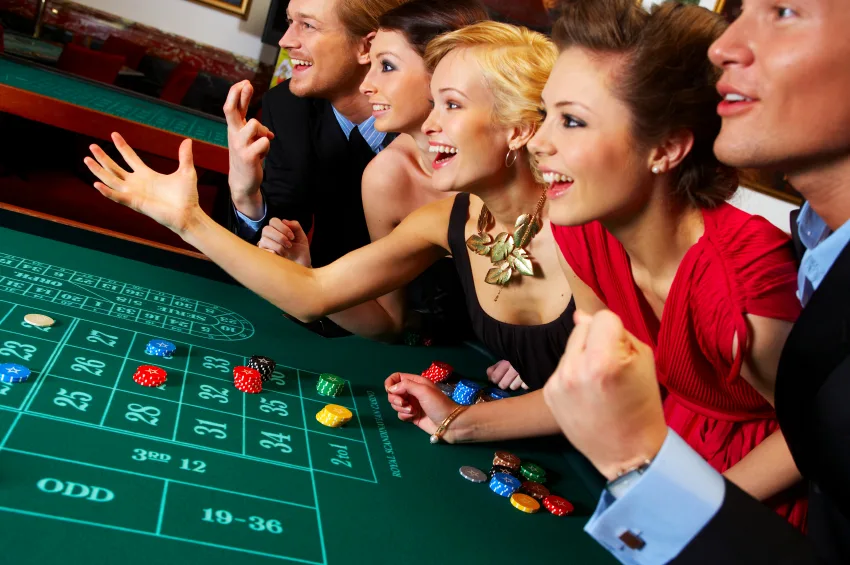
Moreover, the presence of friends or family can significantly influence a person’s gambling decisions. Social approval or peer pressure can lead to increased betting and a desire to maintain a specific social image. Individuals may feel compelled to gamble more or take greater risks when in the company of others, amplifying the emotional and psychological stakes involved in the activity. This collective involvement often creates an atmosphere where responsible gambling practices can be overlooked or disregarded, necessitating awareness of the underlying social dynamics.
However, the social aspect can also obscure the risks associated with gambling. Group dynamics may downplay the seriousness of losses or lead individuals to dismiss concerns about gambling-related problems. Such environments can encourage risky behavior and perpetuate a culture where gambling becomes normalized, leaving individuals less aware of the potential repercussions. Recognizing the influence of social factors is essential for understanding the full scope of gambling behavior and its psychological implications, paving the way for healthier gambling practices.
Understanding the impact of gambling
For those seeking to comprehend the complexities of gambling psychology, a wealth of knowledge exists. Numerous research studies delve into the cognitive, emotional, and social factors that shape gambling behavior. These insights can be invaluable for individuals looking to understand themselves or loved ones who may struggle with gambling issues. The importance of awareness regarding one’s relationship with gambling cannot be overstated, as it can lead to healthier choices and more informed decisions about engaging in gambling activities.
Various resources and support networks are available for those grappling with gambling problems. These organizations provide a safe space for individuals to discuss their experiences, share coping strategies, and seek professional help when necessary. Understanding the psychological aspects of gambling is crucial for fostering supportive environments where individuals can navigate their gambling habits and develop healthier approaches. Mental health professionals specializing in gambling issues can offer tailored advice and strategies to address compulsive behaviors effectively.
Ultimately, grasping the psychology of casino gambling is a multifaceted endeavor that amalgamates elements of risk, reward, cognitive biases, emotional experiences, and social interactions. As awareness grows regarding these complex dynamics, it becomes feasible to promote healthier gambling practices and mitigate the risks associated with compulsive behavior. Through education and support, individuals can gain better control over their gambling habits, leading to a more positive and fulfilling experience overall.